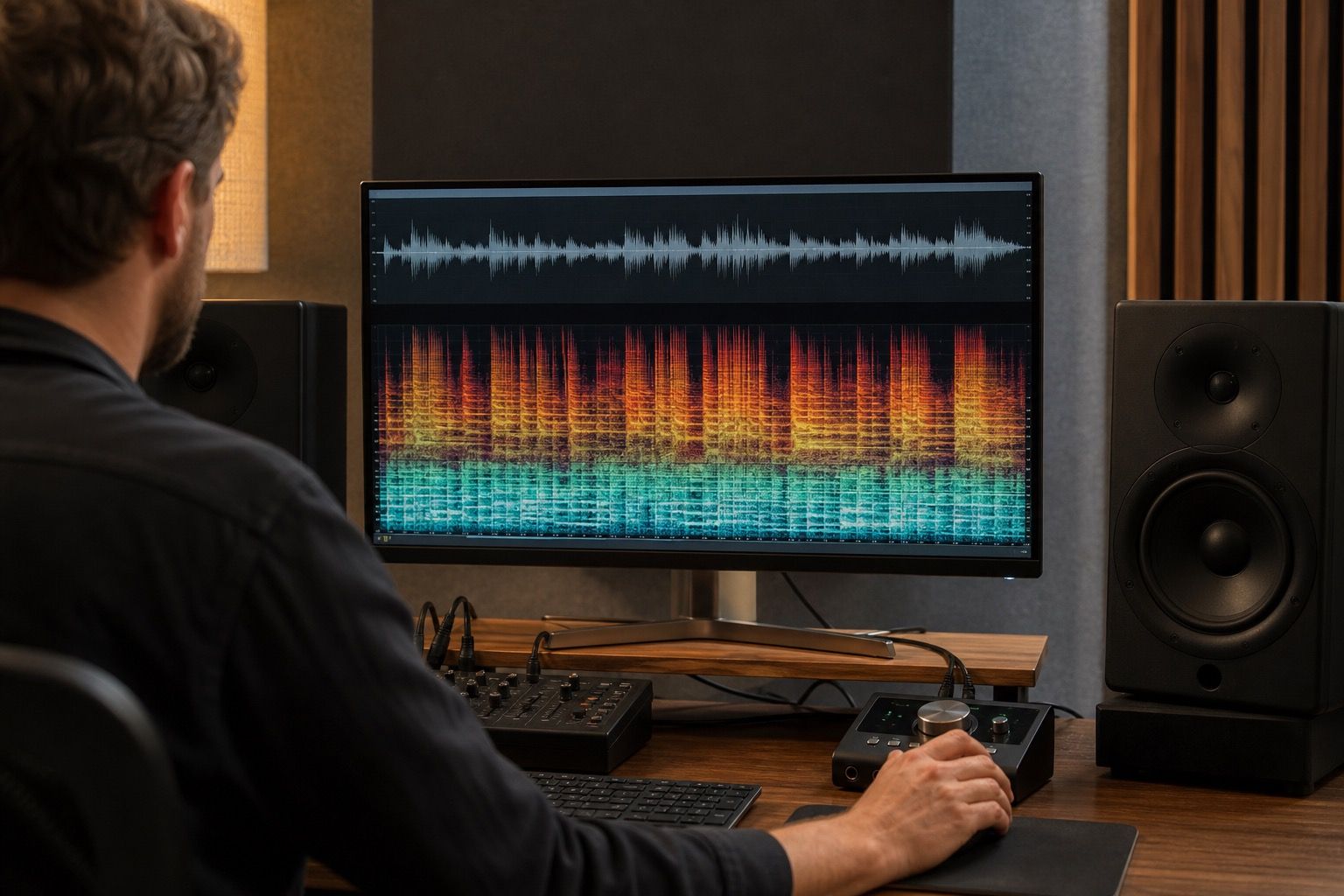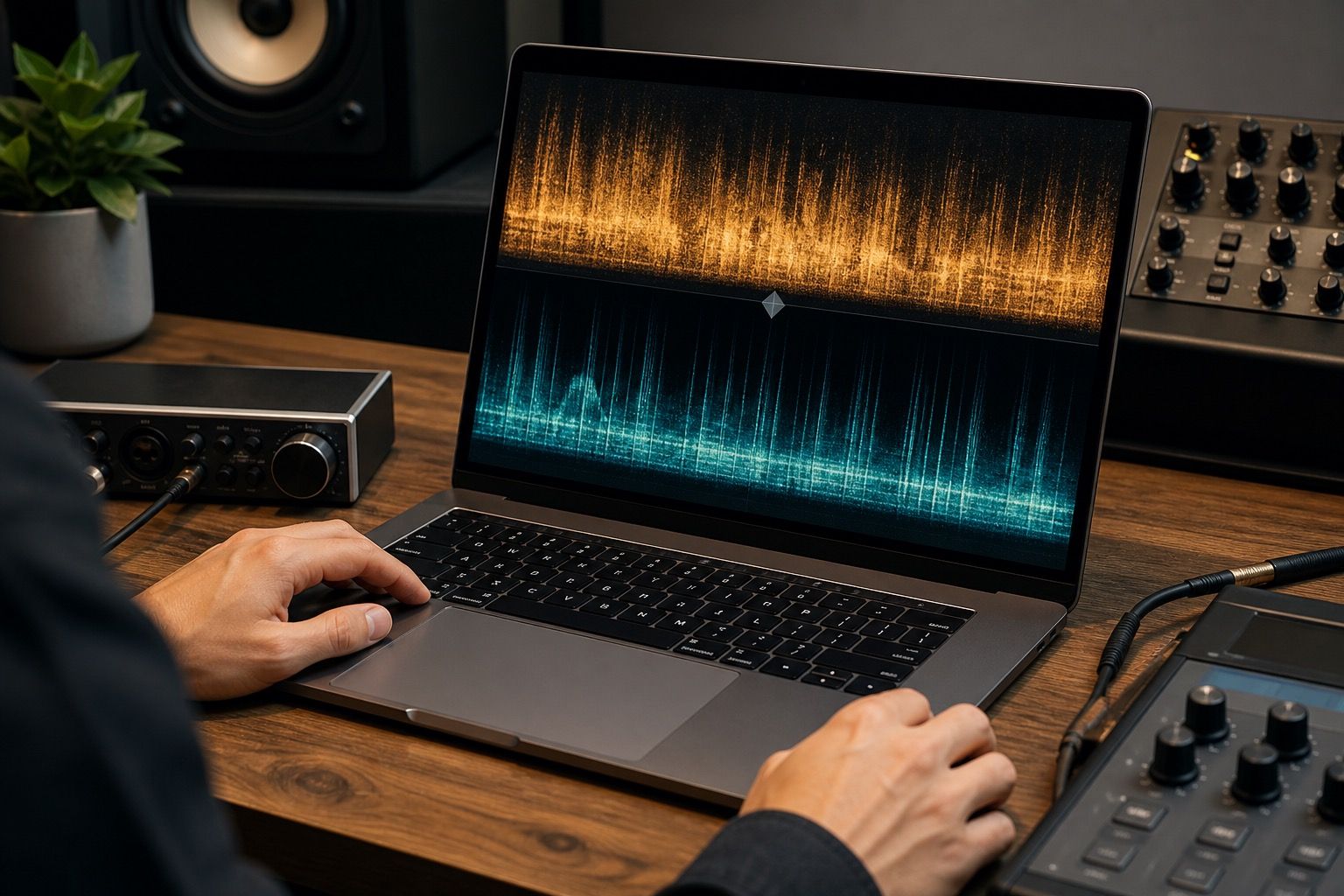
Suno Artifact Cleaner: What A Good Cleanup Tool Should Catch is about making a track easier to trust before release. The point is not to chase perfect restoration; it is to find the few suno artifact cleaner problems that listeners will actually notice, clean them without draining the performance, and export a version that still feels like music rather than a repaired file.
The artifacts a cleaner should detect first
A good Suno artifact cleaner should catch the faults that survive normal listening, not only the ones that look dramatic on a graph. Harsh sibilance, phasiness, robotic vibrato, a raised noise floor, and a sudden loudness shift are the problems that make a track feel cheap after the first minute.
Detection should be practical. The tool should help you find where the vocal gets brittle, where cymbals turn sandy, and where a cleaned preview loses punch. If it only produces a single quality score, you still have to do the real listening yourself.
Why previewing matters before batch processing
Previewing matters because AI music artifacts are uneven. One song may need help only in the bridge; another may have a chorus that collapses under density. Batch settings can save time, but they can also spread one wrong decision across every track in a release folder.
I trust a cleaner more when it lets me compare short before and after sections. A thirty-second preview around the worst timestamp reveals whether the tool is reducing the defect or just sanding off life from the whole mix.
Settings that usually need restraint
For settings that usually need restraint, the first useful move is to turn the vague complaint into a short listening test. In Suno Artifact Cleaner, words like suno artifact cleaner, ai audio artifact removal, ai music artifact removal usually point to a real production choice: whether the problem lives in the source, the cleanup settings, the export format, or the mastering stage. I would rather find one repeatable fault than apply a beautiful chain that changes the whole song for no clear reason. Listen for robotic vibrato, then compare it with the quieter parts of the track and with the most crowded chorus.
The same check should protect the music around the fault. artifact cleaner, AI audio cleanup, Suno can sound damaged in different ways depending on density, brightness, and file format. A narrow repair may help noise floor; a broader tonal move may be needed when loudness shift keeps returning across the whole mix. If the repaired version feels smaller, flatter, or less emotional, back off and keep more of the original movement. Cleanup is successful when the listener stops noticing the defect, not when every visual or technical trace has been scrubbed away.
| Stage | Practical check |
|---|---|
| First listen | Mark one timestamp where the artifact is easiest to hear. |
| Cleanup pass | Use the smallest repair that reduces the problem without dulling the part. |
| Comparison | Level-match the original and cleaned export before judging tone. |
| Final bounce | Check chorus density, vocal edges, low end, and delivery format. |
Where manual listening still wins
For where manual listening still wins, the first useful move is to turn the vague complaint into a short listening test. In Suno Artifact Cleaner, words like suno artifact cleaner, ai audio artifact removal, ai music artifact removal usually point to a real production choice: whether the problem lives in the source, the cleanup settings, the export format, or the mastering stage. I would rather find one repeatable fault than apply a beautiful chain that changes the whole song for no clear reason. Listen for noise floor, then compare it with the quieter parts of the track and with the most crowded chorus.
The same check should protect the music around the fault. artifact cleaner, AI audio cleanup, Suno can sound damaged in different ways depending on density, brightness, and file format. A narrow repair may help loudness shift; a broader tonal move may be needed when harsh sibilance keeps returning across the whole mix. If the repaired version feels smaller, flatter, or less emotional, back off and keep more of the original movement. Cleanup is successful when the listener stops noticing the defect, not when every visual or technical trace has been scrubbed away.
A practical checklist before saving the cleaned file
For a practical checklist before saving the cleaned file, the first useful move is to turn the vague complaint into a short listening test. In Suno Artifact Cleaner, words like suno artifact cleaner, ai audio artifact removal, ai music artifact removal usually point to a real production choice: whether the problem lives in the source, the cleanup settings, the export format, or the mastering stage. I would rather find one repeatable fault than apply a beautiful chain that changes the whole song for no clear reason. Listen for loudness shift, then compare it with the quieter parts of the track and with the most crowded chorus.
The same check should protect the music around the fault. artifact cleaner, AI audio cleanup, Suno can sound damaged in different ways depending on density, brightness, and file format. A narrow repair may help harsh sibilance; a broader tonal move may be needed when phasiness keeps returning across the whole mix. If the repaired version feels smaller, flatter, or less emotional, back off and keep more of the original movement. Cleanup is successful when the listener stops noticing the defect, not when every visual or technical trace has been scrubbed away.
A practical finish is to save three exports: the untouched source, the cleaned working file, and the version prepared for upload. With Suno Artifact Cleaner, that small archive makes later decisions less emotional. If a listener complains about harshness, hum, or loss of detail, you can return to the exact stage where it appeared instead of starting the whole repair again.
A cleaner should also leave a clear trail of what changed. If the preview gets quieter, darker, or narrower, the tool should make that obvious enough for a musician to judge the tradeoff. A cleaned song that loses transient detail in the snare or softens every vocal attack may pass a noise test while failing as a record.
The best workflow is still part automatic and part human. Let the tool find likely harshness, phasiness, robotic vibrato, and noise-floor problems, then listen to the marked sections in context. The chorus, bridge, and final fade often tell a different story from the first verse. That is where a good Suno artifact cleaner earns trust: it speeds up decisions without pretending the decision has disappeared.